
Part 12: Progress and Pain
Healing and heartbreak go hand in hand...

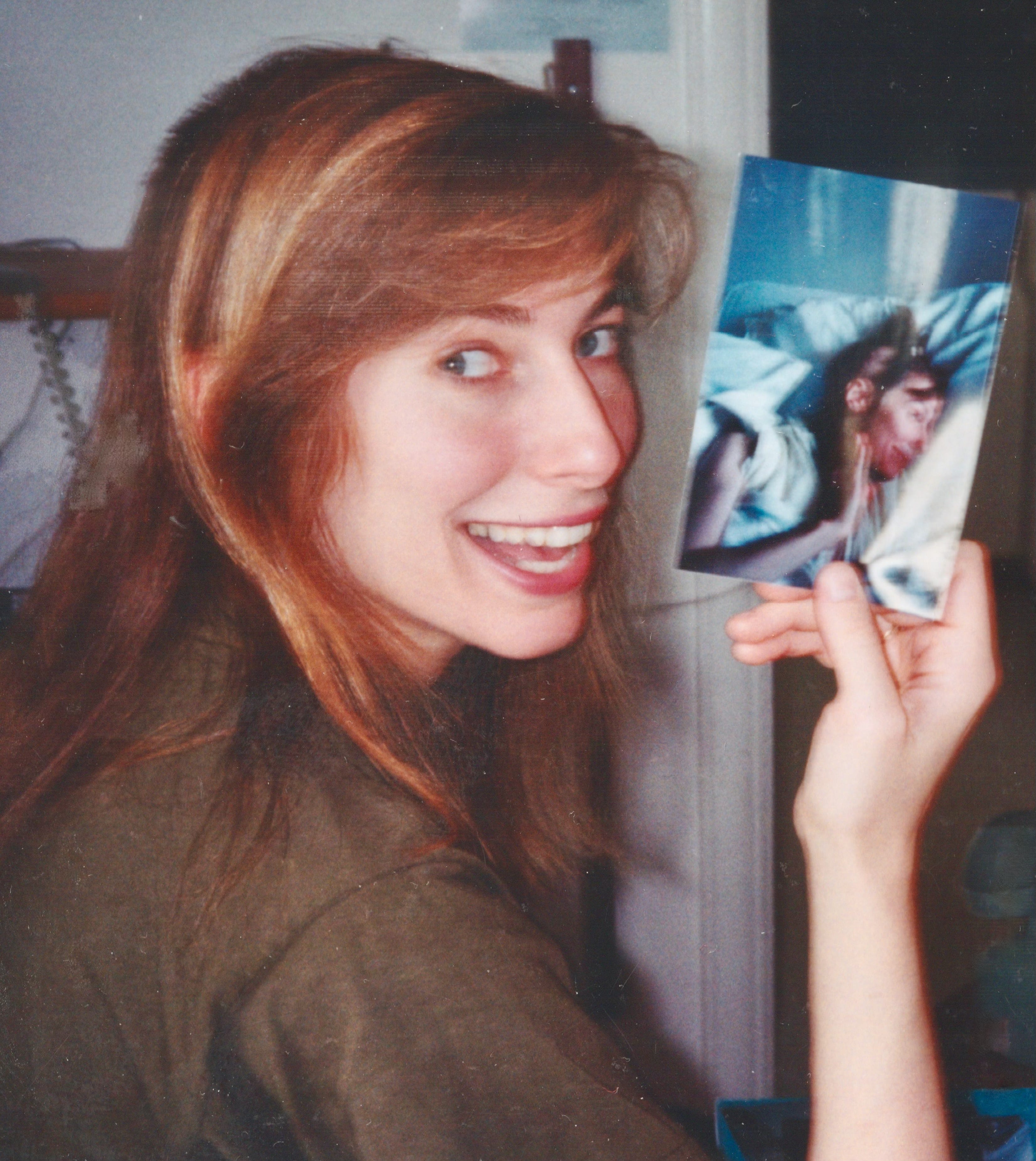
Hold a coin between your fingers. Move it around and notice all of the information the sensors in your fingers are giving you about this small object. Take a piece of paper towel and put the coin inside it, then hold it again with your fingers. What can you tell about the coin now? Take the coin out of the paper towel and rub it again with your fingers. Isn't the keeness of your sense of touch amazing?
My right hand. Total focus. Feeling through it. Feeling into it. It took almost nothing to make it move. Each finger, each muscle, each bone and tendon quiver to attention at my imperceptible command. I angled my wrist upward, lightly twisting first one way, then another. The simplicity. The ease. The miracle of timing and speed. The quality of motion was delicate, flowing, effortless.
I reached out to pick up a dime and there it was, like magic, held exactly as it should be between my dexterous fingers. The coin communicated texture and contour directly through the sensors in my fingertips. Ridges, etched surface, worn and slightly cool.
Now came the hard part. I placed the dime on the table in front of my emaciated left hand. Atrophy had set in. The veins were faint, the waxy, fragile fingers curled inward, inert. This flesh-covered claw still lacked sensation and fine motor control. It stiffly grasped and fumbled toward the shiny coin, but each time the tension built up, I stopped.
I already knew that no amount of concentration would lead to the fantastic accomplishment of picking up the dime. The attempt was educational. I was trying to transfer the knowledge that enlivened my right side into my afflicted left.
The point wasn’t to achieve the impossible, it was to practice ease, to get as close to gracefulness as my damaged pathways allowed. Right, left, right, left. I did the exercise over and over until I felt a fog of exhaustion.
Next body part. I reached out my right arm and gently swung it in an arc. Smooth, controlled, simple. I repeated the motion at least ten times, observing the sensations and trajectory closely.
Then the left side with its resistance, pain, and misfiring signals. Slowly, slowly I brought it forward, releasing the contraction as much as possible, but I was hampered by the tightness that pulled my shoulder and elbow upward and back.
I was trying to duplicate the process of biofeedback without technology. If I could mentally isolate the proper muscle groups, maybe I could control my movements better. I was experimenting, giving myself over to necessary trial and error, trying to figure out how my body worked from the inside out.
Time for walking. I closed my eyes and shifted my weight through my feet until I felt something akin to balance. I imagined a current moving through my left leg down to my foot, dissolving the heaviness that permeated the muscles. I stood up and slowly walked across the room, watching and sensing every nuance of my right leg, then I tried to copy it with my left. Back and forth, back and forth, calculating each step.
I often got frustrated because I couldn’t get my left side to relax as completely as I wanted it to. During a particularly unproductive session, I remembered how Katherine, the nurse from intensive care, had told me to breathe deeply and focus on calming my mind when I was agitated.
I closed my eyes, inhaled a long, slow breath, and let it out. I stopped consciously telling my arm and leg what to do and simply sat there, letting signals from my body make themselves known. I perceived that my left side felt heavy, thick, weighted down and cold, while my non-affected right side felt light, clear, and warm. My task was to bring the two sides back into balance. Not only could my right side teach my left about normal physical movement, it could also teach it about the quality of sensation arising from a healthy limb.
Visualization played an increasingly important role in my recovery. I dedicated time each day to practicing mundane physical activities in my mind before I attempted to do them with my body. I imagined completing simple activities like cooking or taking out the garbage gracefully and easily.
Those imagination sessions sometimes morphed into something akin to lucid dreams. I explored strange worlds where I encountered geometric forms that transformed into wounded, angry animals that I tamed. I made my way through ravaged landscapes that I replanted and reclaimed. As I envisioned the changes to the symbolic structures, I felt the tension in my body release.
Each new experiment lead to another level of understanding about what I needed to do in order to recover. Thankfully, my cognitive faculties had been spared, so I was still able to figure out solutions by investigating my own physiology. I’d been told by my doctors and therapists that there was an immutable plateau beyond which little further progress could be made. Maybe that was true, but I wasn’t going to stop until I found that endpoint myself.
Despite my progress, tasks like cleaning, cooking, dressing, and paying bills took forever with one hand and less than perfect balance. Youthful spontaneity had all but vanished from my life. Everything had to be planned around what I could no longer do. My world felt so much smaller and fraught with obstacles I’d never thought about before.
Even something as simple as using a public restroom was complicated. If the stall had the toilet paper on the left side, I had to twist my body and teeter dangerously just to access the roll with my right hand. I discovered that the water in most toilets was too high, even in disabled stalls, since I couldn’t lean forward enough to prevent my hand from hitting the surface.
I dreaded eating with other people because the left side of my face was still numb. I couldn’t feel if there was a piece of food stuck to my lip. “Please tell me if I have a gross blob of something on my mouth,” I told my friends, but just to be safe I developed a neurotic habit of dabbing at my lips constantly through a meal.
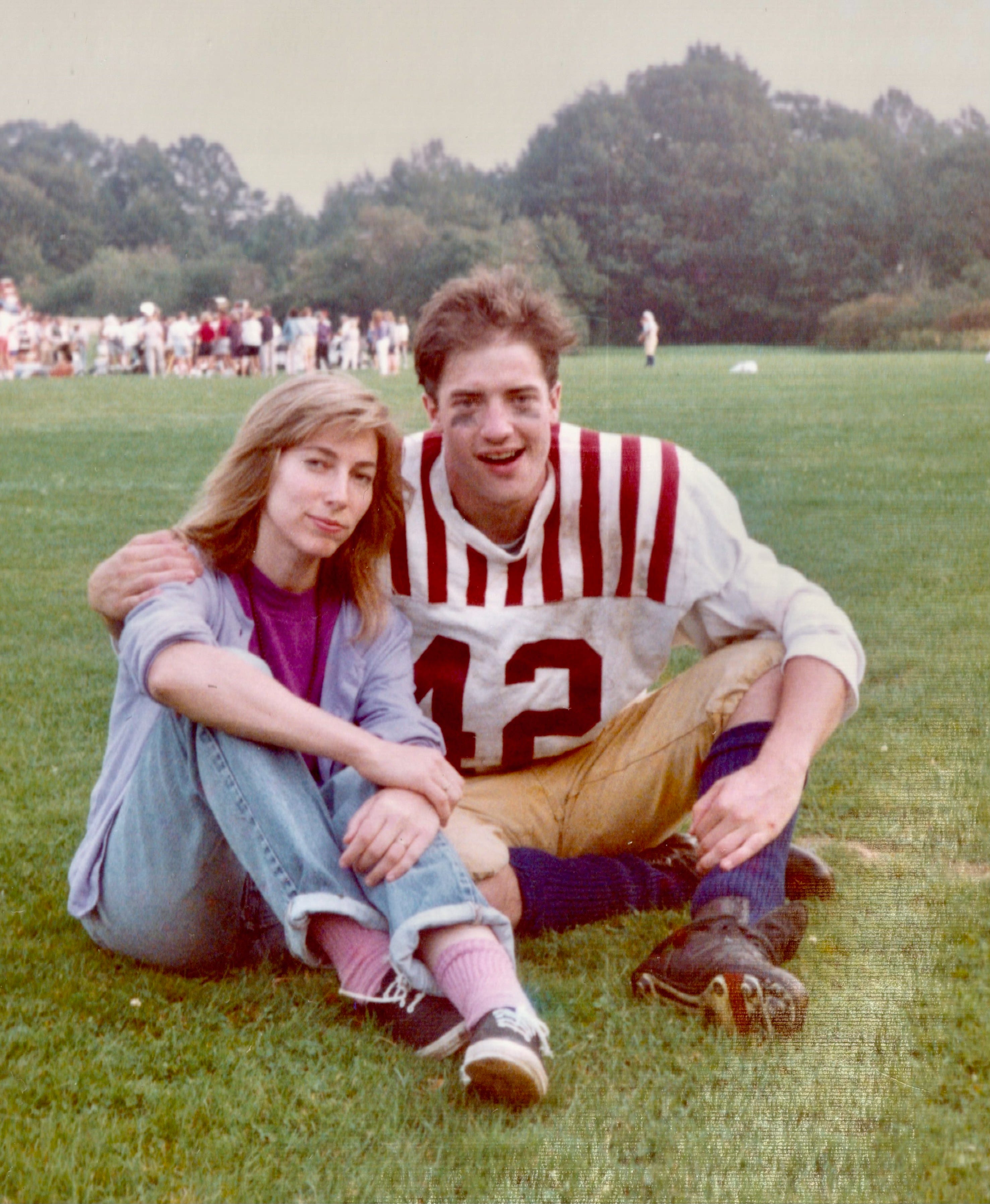
At first, spending time with Brendan helped take the edge off the loneliness that crept up on me. He took me on outings, painted the frame on my living room door with bright dots and stripes, mowed my lawn, and gave me strong, caring hugs whenever I needed them.
It was wonderful having him in my life, but my growing emotional dependency was eating away at me. This was exactly what my sister was afraid of and what I sensed would happen at the start of this platonic, romantic relationship. I was swept away, high on fantasy, but when doubt and distrust took over, I felt trapped in the Norma Desmond role in my own version of Sunset Boulevard.
When it came to emotions, I wasn’t in my right mind. The impulsivity and mood swings that many stroke survivors experienced still colored my perception and decisions. Knowing this was one thing, but being able to control it was another. Even in the midst of this internally generated drama, I was aware that it was mostly a shield against the reality of my physical wreckage.
That shield shattered over dinner at a Mexican restaurant. I’d decided that it was time to get clear about what Brendan felt for me. I was spending too much energy obsessing about this lovely, but strange connection.
Over chips and guacamole, I asked him straight out what he wanted from our relationship. He took my right hand and looked into my eyes with his sweet, wide-set gaze.
“We’re friends,” he said. “You do know how much I care about you, right?”
My stomach tightened. Hunger evaporated. I nodded my head. It wasn’t fair to put him on the spot when the answer was obvious.
“Yes, I do know,” I managed a smile. I slid my hand out of his and dabbed the left side of my face. No need to serve my heartbreak with a stray smear of avocado dip. “So, just to be clear...friends only?” I asked.
“Yes. It’s…” He was tongue-tied for a moment. “I just…you know, I’m trying to figure out what I’m doing next and I…I love being your friend.”
I felt like my insides were tied into a knot that was pulling me down toward the table. “Stop. Stop. Stop!” I thought. “Don’t be pathetic. Put us both out of our misery and change the subject. Sweep it away.”
“Well, I love being your friend too,” I said. I was digging the fingers of my right hand into my leg. I just needed to get past this immediate moment. “Do you want some more chips?”
Brendan visibly relaxed. “Great idea,” he said. He waved to the young waitress whose eyes lit up as she approached him. “Can we have more chips, please?” he asked.
“Sure!” she said with a big, inviting grin. “Anything else?”
“Yeah, some more salsa,” he said, grinning back.
“You got it.” Her cheeks flushed as she bounced away to fulfill his request.
We had our dinner. He helped cut my food. We talked about his plans to go to Los Angeles. He took me home. Maybe he stayed for a while. Maybe he had places to be and left quickly after giving me a peck on the cheek. Anything will do for this part of the memory.
When I was alone, all of the melodrama that secretly lived inside of me burst forth in a torrent of tears, shrieks, wails, screams. I observed it as it was happening, surprised, as always, to see how much pain I was capable of feeling. Up until that night, I’d maintained my equilibrium fairly well. Of course, I’d been low and scared, sometimes depressed, but always in control. Now I was caught in the throes of grief, as though someone I loved has died.
I hadn’t cried for my broken body, or for my uncertain future, but I was screaming and coughing tears seemingly because of an unrequited crush. I felt the absurdity along with the agony.
The dark confluence of emotions lead me to dangerous action. I started searching for the gun that John had kept in the house. My once laid-back college sweetheart, now estranged spouse, had developed a paranoid taste for firearms and brutal forms of martial arts. So much of his stuff was still packed into closets or crammed into drawers. I hated that gun. I’d insisted that he get rid of it, but he’d ignored me.
I looked in cupboards and cabinets, hoping to find the weapon and use it to blow away all the suffering, disgust at myself, and rage at my fate. I didn’t want to be here. I didn’t want to hold my head up, soldier on, overcome obstacles, investigate my body, become a role model, or any of the strategies that had worked passably up to that point. I wanted it all to end.
The gun was nowhere to be found, but looking for it helped defuse the terrible anguish. Would I have used it if I’d gotten it in my hand? I don’t think so. Fortunately, I was spared from finding out.
Romantic rejection was the trigger, but not the cause. Brendan had done nothing wrong. I was mourning the loss of my formerly functioning body that I’d taken for granted my entire life. I slowly collapsed into the aftermath of the outburst. My left side was locked into contraction as I hobbled my way to bed, tucking my cold grasshopper limbs up against my belly for comfort. I’d had the catharsis I needed.

Your story of perseverance continues to inspire. You do not sugarcoat the details. You share every raw emotion. Thank you for that! 🥰 I appreciated the story of your “friend” conversation with Brendan. I’ve been there, albeit not in the same headspace you were at that point in your healing journey. I’m sending a hug to young Elizabeth for the tough emotions of that day. ❤️
That is perhaps the most vulnerable and raw piece of writing I have ever read. Wow. Just wow. I'm speechless. Xxoooooooo