
Part 2: The Changeling
Starting over in an unfamiliar body...

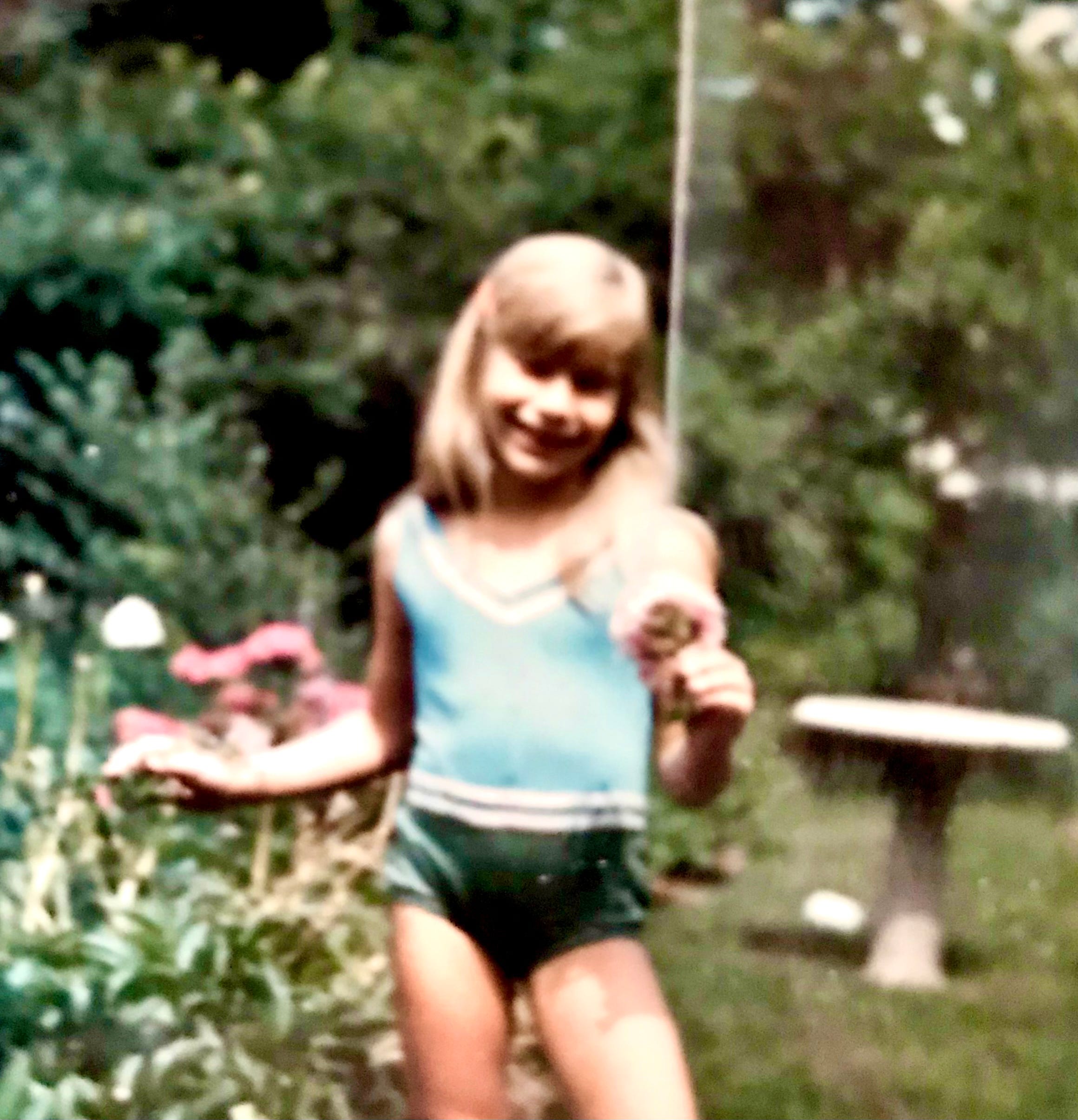
Recall a moment from your childhood when you felt free and easy in your body. What was the setting? What sensations arise in you when you experience this memory? Are you able to access those sensations now or are they out of reach? Take a breath and notice the difference between how you felt then and how you feel now…
The surgeons sliced through my flesh down to the bone, drilled three holes in my skull and lifted off the protective shell, exposing a twist of leaking blood vessels. They carefully clipped and cauterized the failed tangle. Five hours later, the section of skull was replaced, the layered flap of flesh stretched and stapled back over the site of the life-saving invasion.
Later, my sister Em told me that she knew I had survived when she saw the lead surgeon walking toward her in the waiting room with a tired, but satisfied smile on his face. He explained that everything had gone well and I would certainly live. When Em asked him about my long-term prognosis, he told her the good news first: I might walk again, although with difficulty, but I’d need to use a cane and a leg brace. The bad news: my left arm was a loss. I’d have to keep the useless appendage in a sling for the rest of my life so it wouldn’t get in my way.
After surgery I was a newborn. A newborn with an oxygen mask that condensed my breath into chilly torment. Everything was too much. Sound, light, and scent vibrated and expanded, reaching me on a bandwidth I processed as discomfort.
A nurse read my thoughts, or maybe I’d been able to communicate my hatred of the oxygen mask, because gentle hands replaced it with tubes clipped into my nostrils. Everything dissolved…
Back to my beginning. Childhood awareness. Recollections from my small body. Opening my eyes in the morning to see the play of sunlight and shadow on the wall. Shimmering images changing with the breeze. Stillness. Tangible silence in my ears. The scent in the room of dust and cotton covers and breath and wood. Sounds. The thrumming of a car in the distance. Birdsong. A transistor radio far away. Whispered voices.
Reveling in the wonder of my body. All of it. Tingling, thick pain when a limb fell asleep, loose joints letting me twist into loops and angles, growing pains shooting up my shins, picking up objects with toes almost as dexterous as my fingers, waking up groggy from an afternoon nap, lying on summer grass watching clouds while bright trails shot across my field of vision, burned and salty after body surfing, bundled up against wind that whistled in aching ears as snow crunched underfoot.
Buttercups, bees, bachelor buttons, honeysuckle, flames dancing in the fireplace, cat purring on my belly, dog heart beating in my ear pressed to his chest, cartwheels, and the sweet, sharp taste of berries from the weeping mulberry tree I climbed every summer.
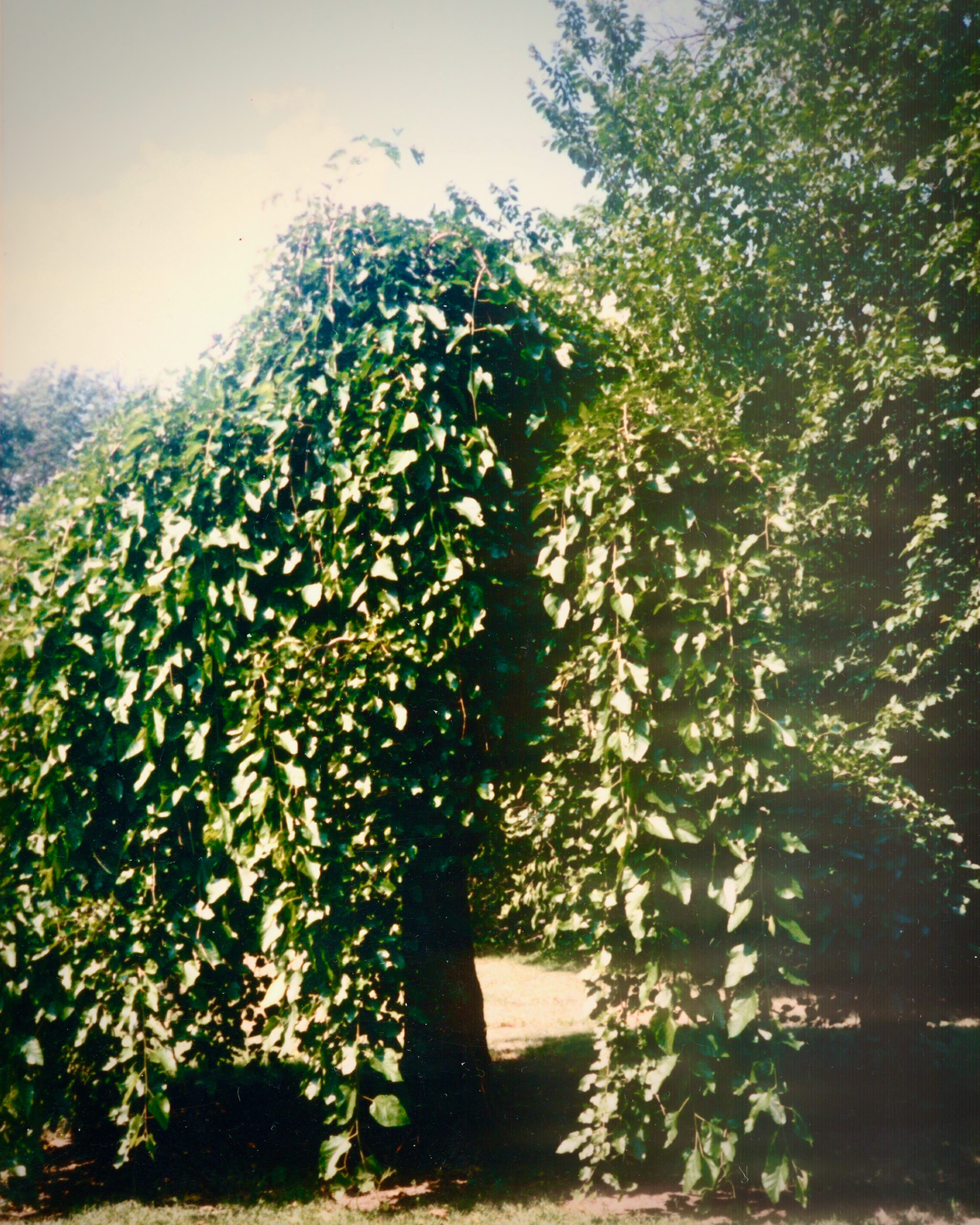
These memories floated and flickered through my damaged, sedated brain until a distant disturbance pulled me back to consciousness.
Something was shrieking.
I tried to escape the piercing noise, but my efforts were useless. The wail grew louder, more insistent, unending. I wanted to throw my broken body off a cliff to make it stop. With my right hand, the one that was still mine, I clutched the call button to summon a savior. No one came. I pressed and pressed and gurgled for help. The screeching that hovered over my bed grew frenzied. I slammed the button against the bars of my crib over and over again.
A harried ICU nurse appeared. Her impatience oozed directly into my physical shell.
“Calm down! What’s the matter?” she snapped.
“Please, please help me! The noise! It’s driving me crazy.” I pleaded. She lifted her hands, and with a few simple movements, vanquished the howling beast. It morphed back into the vital signs monitor, innocently emitting a gentle, rhythmic chime.
“It’s nothing. Your wires got twisted,” she muttered.
“Where were you? No one was here.” My pulse was still pounding.
“Look, we’re right outside. Relax. We can see you, you know.” She was already on her way out the door.
Intensive Care was a mix of short, sharp, clear incidents and blurry impressions. The injury to my brain, the surgery, sedatives, painkillers, and anti-seizure medication coalesced into a fog. I was helpless. My left side was a dead conjoined twin that weighed me down and hampered even the slightest action. I couldn’t roll over, sit up, or adjust my position without assistance. I floated in pure emotion, a terrain that was wholly unfamiliar.
A night nurse named Katherine emanated kindness. When she appeared, I opened like a flower. Standing by my bed she spoke softly, telling me to take deep, deep breaths. Her hands made sweeping motions above my body. She soothed me in the darkened room, the melody of her words and her graceful gestures slowed my heart rate and subdued my panic.
Later, I was transferred from the technological womb of the ICU to the clinical nursery of acute care. I couldn’t swallow normally, so I sipped liquids like a duck. Tiny drops slid tantalizingly down my throat, but never slaked the thirst. Sucking on swabs dipped in water or juice cooled my desert-dry mouth. I ate baby food, mashed peas, apple sauce, whipped squash, puréed meat.
The hospital staff assessed me daily. They guided my lost appendages through exercises to keep the circulation flowing. There was a tiny bit of life in my leg. If I concentrated with all my might, I could conjure a quiver of resistance in my thigh muscles. My arm was limp and unresponsive, a strange useless thing attached to my body. The doctors pricked me with pins to test for sensation, but I felt nothing. They might as well have been sticking them in the mattress.
I was fortunate that I could control my bladder and bowels, but I couldn’t move well enough to get in a wheelchair to use the bathroom. I had to rely on a catheter, which was excruciating, and a bedpan, which was confusingly awkward. My dream was to be able to use the portable toilet that had been brought into my room. After about a week, with a lot of help and encouragement from the staff, I was finally able to perch atop that ugly throne and relieve myself. The shyness I’d always felt about normal bodily functions had vanished along with my independence.
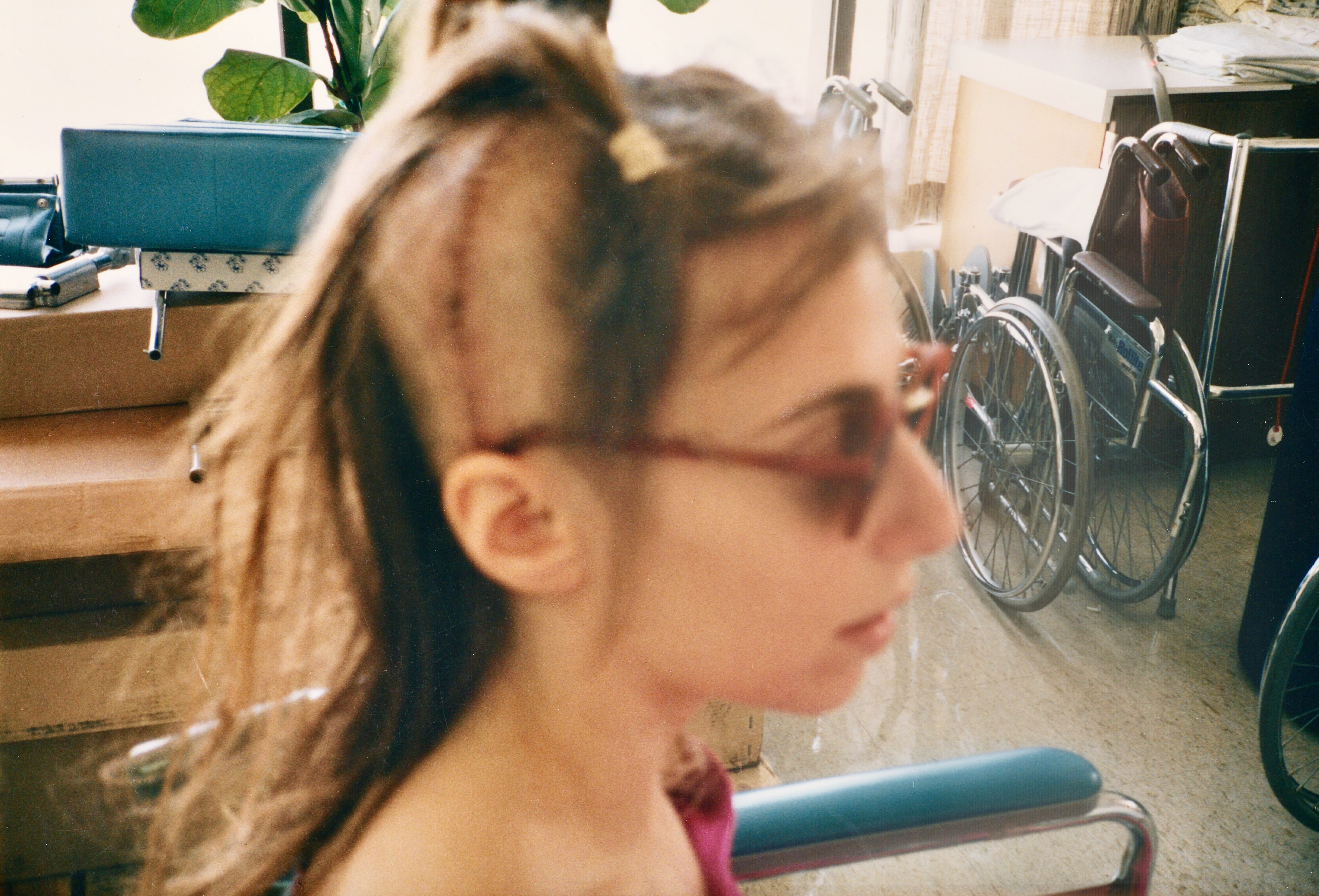
One night, I woke up feeling something was very wrong. As I came to full consciousness, I realized that I had no idea where my left leg was. There was a distant awareness that it was lying in an odd place and needed to be rescued. I couldn’t turn my body to find it.
I hesitated to wake my sister. Caregiving was taking a heavy toll on her, but I felt panic rising as I lay in the dark without locating my leg. I couldn’t wait any longer.
“Em. Em!” I called out. She stirred awake from a heavy sleep.
“What’s wrong?” she murmured.
“I can’t find my leg.”
“What? Where is it?”
“I don’t know. Somewhere, I guess. Can you find it, please?”
Em got up and turned on a dim nightlight. She peered at me, assessing the situation. Soon she was suppressing a grim giggle.
“Where is it?” I asked.
“It’s hanging off the bed touching the floor,” she said. She heaved the dead weight of my leg back onto the bed and gently repositioned me. I burst out laughing and Em joined in. We felt like we were playing out a ridiculous scene from a dark comedy.
After my runaway leg had been found and my sister settled back to sleep, my mood changed. I lay awake feeling the horror of my reality for the first time. I tred to push away the emotional impact, but it was more substantial than my phantom left side. My senses grew keen in the dark. The light in the corridor cast an eerie glow through the room. The sounds of the hospital at night turned threatening; the hum of machinery buzzed in my ears like a swarm of insects.
With a hiss, the door to my room opened wider, revealing a nurse. He glided over to my bed carrying vials of medicine. Silently he added a substance to my intravenous drip. Newspaper accounts about deranged nurses popped into my head. It would be so easy to send an overdose flowing into my veins. Maybe this stranger who was checking my vital signs was obsessed with mercy killing. “Poor girl,” he might be thinking, “she’s so young and she’ll be crippled for life. Wouldn’t it just be better to end her misery?”
I mustered a lopsided smile. He barely looked at me. My heart pounded. I was having trouble breathing. Panic or poison? The nurse slipped out of the room on soft, white shoes. My mouth was dry from fear.
I remembered Nurse Katherine’s loving face hovering over me. I heard her voice telling me to breathe deeply. Breathe deeply. I told myself that all was well. I had to believe I hadn’t survived a bleeding brain only to be killed by a murderous nurse.
I calmed down, but I didn’t sleep much that night. My mind turned to strange speculations. I fixated on the unrealized future I had bypassed. That future held my death, and the impact my passing would have had on those who cared about me. As I lay in bed in the quiet hours, I could feel how close I’d come to oblivion. The vibration of my death still resonated within me. The person I’d been before the stroke was a dream double whose story ended on a bright June morning. This helpless, bifurcated version of myself was living out a new and unfamiliar life in a body I no longer understood.
The Distant Symphony - a place to go for healing…

I'm still slowly working through these chapters but you are a tremendous writer. So glad you had a Nurse Katherine caring for you. All it takes is one positive experience with a doctor/nurse to change everything.
‘The vibration of my death still resonated within me..’ what a journey, and what a marvelous piece of writing! Really love how you make the feeling of alienation within yourself so tangible.